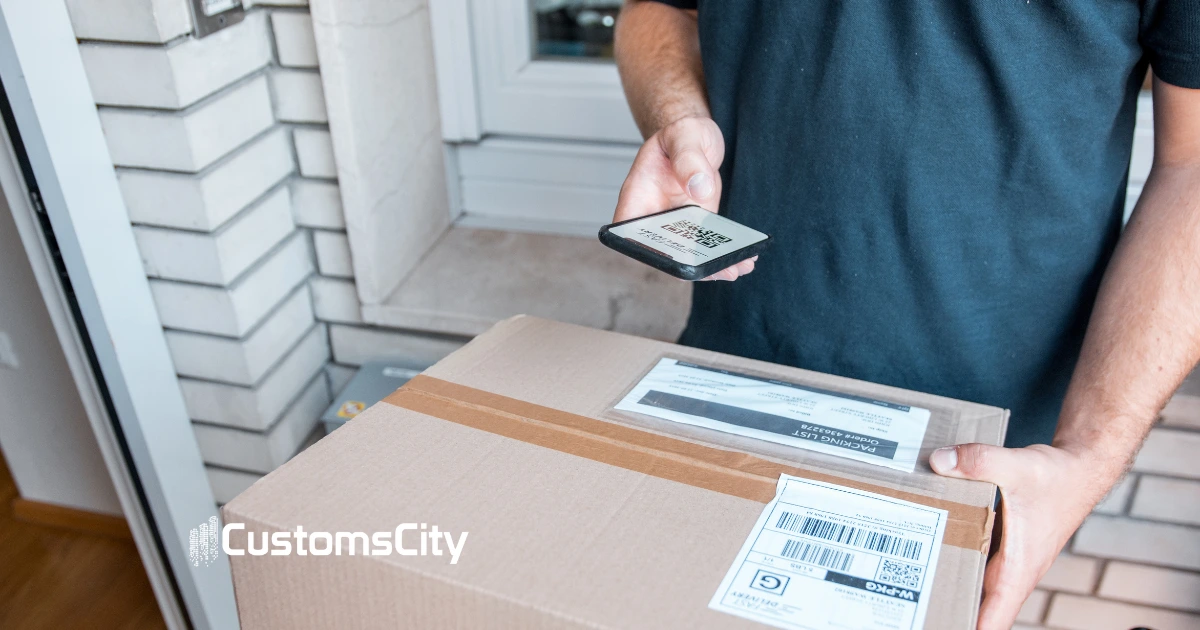

You’ve submitted all the forms, and all your labels are accurate, yet your shipment gets rejected by CBP.
Sound familiar? This situation isn’t rare; in fact, it isn’t even unusual. Many importers, both first-timers and seasoned ones, often find themselves in this situation.
The kicker is that most of these rejections aren’t the result of egregious violations; they occur because of the simplest of errors, such as incorrect entry types, missing data, or filing an entry late. Yet, the impact is the same: penalties and delays.
That said, you can still refile your entry to gain customs clearance. The key, however, is to identify where you went wrong and to follow the right process based on the entry type. This guide walks you through exactly that. Read on!
Why Customs Entries Get Rejected: Common Reasons
It’s not a bad stroke of luck that results in your shipment not clearing customs. Customs rejections are never random. They happen because something in your entry didn’t meet their stringent requirements.
The following are the most common reasons for a customs clearance rejection:
- Incomplete or Incorrect Documentation: Any missing or incorrect critical information in your entry is an instant cause of rejection in the eyes of CBP.
- Misclassified Goods: HTS classifications play a crucial role for the customs department in determining the duties and taxes that will apply to your shipment. CBP will flag any misclassified shipment. If they suspect a deliberate attempt to avoid paying duties, that’s a whole other conversation.
- Misdeclared Value or Country of Origin: Undervaluing your shipment or misrepresenting its country of origin (even if done so accidentally) sets you up for a potential penalty.
- Non-Compliance with Partner Government Agency (PGA) Requirements: Certain goods, like those coming under the purview of the FDA, EPA, or FWS, to name a few, require you to take additional steps to be compliant. Skip any and your shipment will be held.
- History of Past Violations: If you or your business has a history of repeated rejections, every shipment of yours will be subjected to extra scrutiny.
While the above list represents the most common reasons for rejection, there are a few that are specific to the entry type you have filed.
- Type 01 (Formal Entry): This entry type is the most scrutinized, and the most common factors for rejection are incorrect or outdated HTS codes, missing or insufficient customs bonds, or doubts about the origin documents.
- Type 11 (Informal Entry): Rejections here usually come from sending in goods valued over $2,500) restricted or misclassified. A common mistake? Assuming they’re duty-free when they’re not.
- Type 86 (Section 321): This one’s strict. File it late, exceed the $800 value cap, or include restricted items, and it’s rejected. No exceptions.
In short, knowing when to use each entry type and what products you can import under each is as important as not making the trivial mistakes mentioned above.

What to Do If Your Customs Entry Gets Rejected
Now, if you have received a rejection, here is what you do next.
Understand Why the Entry Was Rejected
CBP always gives you the exact reason as to why an entry has been rejected, and it will be communicated to you in one of the following ways:
- CF 28 (Request for Information): If an entry is rejected because there wasn’t enough data to determine the admissibility, classification, or value of your goods, you will be issued a Form 28. You have 30 days to respond.
- CF 29 (Notice of Action): This form informs you about the action that CBP has either already taken or proposes to take. This could be anything from liquidating the entry to changing the tariff classification or country of origin, and you have 20 days to challenge this change.
ACE System Error Codes: If you filed electronically (which you most likely did), CBP will return a specific error code through the ACE system.
Here are a few examples:
- 283: You filed a Type 86 after cargo arrival
- 284: Your shipment exceeded the $800 limit under Section 321
- 204: Your Type 11 exceeded value thresholds
- R05: Your Type 01 had an insufficient customs bond
CSMS Updates: CBP may also issue broader system updates through the Cargo Systems Messaging Service, which can alert you to delays, technical issues, or changes in filing procedures. (Source)

Review Your Documentation
Once you determine the mistake, fix it and review all of the information again. Review all relevant documents, including your invoices, bills of lading, HTS codes, and other pertinent data points.
The key here is to get it right this time. A second rejection will only cost you more time and money and increase your chances of being seen as a repeat compliance violator in the eyes of CBP.
Talk to Your Customs Broker or Legal Advisor
If you are not confident in how to handle a rejection, consider approaching a customs broker; they will help you address any technicalities. If this is a case of a serious violation, consult a trade attorney on how to proceed.
Refile Your Entry or Respond Promptly
Every notice comes with a deadline, so ensure that you complete all the above and refile your entry within the stipulated time.

How to Refile Based on Entry Type
Now, the process to refile depends entirely on the entry type you used initially.
Type 01 (Formal Entry)
If you filed a Type 01, you may be able to correct the issue using a Post Summary Correction (PSC) after the Entry summary has been accepted. You can file a PSC within 300 days of the entry date and no later than 15 days before liquidation (the final stage of the customs clearance process). That said, there are limitations to what you can and cannot change here.
If the entry has already been liquidated, a PSC is no longer an option. In that case, you need to file a formal protest using CBP Form 19. The window for this is within 180 days from the date of liquidation.
Type 11 (Informal Entry)
In the case of a Type 11 entry, your options post-rejection depend on whether the shipment has been released.
- If your shipment has not been released yet, you can completely replace the Summary Entry (SE). No special approval is required.
- If the shipment has arrived but has not yet been released, you’ll need to request approval from CBP before making changes if the issue involves CBP data. If the changes required pertain to any partner government agencies, that can be done without approval.
- If your shipment has been released and the required changes exceed PGA data, you will need to cancel the entry and submit a new one.
Type 86 (Section 321 De Minimus Entry)
Type 86 entries rarely get rejected. That said, if they are rejected, it’s usually due to:
- The entry being filed after the shipment’s arrival, or
- If its value exceeds the $800 cap
Your only option is to refile using either Type 11 or Type 01, depending on the shipment’s details.

How to Avoid Future Rejections?
You can avoid rejections by sticking to the following foundational rules of filing entries for customs clearance:
Know Your Entry Type
The first and most important step is always to use the right entry type for your shipment.
- Use the Type 01 entry type for shipments valued over $2,500, those requiring customs bonds, or involving goods regulated by Partner Government Agencies (PGAs).
- Use the Type 11 entry type for non-regulated goods between $800 and $2,500.
- Use the Type 86 entry type for low-value shipments (under $800) under Section 321.
Never try to squeeze a shipment into a simpler category to save costs or time. It’s a guaranteed rejection, and worse, if you repeat this, you will get flagged for additional scrutiny every single time.
Always Double-Check All The Data You Enter
Most rejections stem from errors in your documentation or entry summary. Always:
- Use correct HTS codes.
- Be specific in your product descriptions.
- Declare the country of origin accurately.
- Make sure your entry is filed before the cut-off limit for the specific entry type.

Monitor Regulation Changes
Regulations change constantly; the recent changes to Section 321 regarding shipments originating from China or Hong Kong are a recent example. Always follow any updates to PGA policies.
The best way to do so is to subscribe to CBP’s CSMS alerts.
Work With Customs Brokers
The points covered thus far are just the tip of the iceberg. There are several nuances to the customs clearance process, and while you can attempt to do everything yourself, licensed customs brokers understand them better. Their expertise can save you a lot of time and money in the future.
Summing It Up
Rejections are part of an importer’s journey, but their frequency can be significantly reduced if you are careful. All it requires is a bit of attention to detail and an understanding of what CBP expects and how they evaluate your entries.
However, as your business grows, so does the volume of your imports, and it can get difficult to keep track of everything on your own. This is where working with a CBP certified software vendor like CustomsCity can help.
If you’re ready to eliminate costly rejections and streamline your import process, get in touch with our team today!